BSEC-URTA Strengthens Women’s Leadership and Regional Cooperation along the Middle Corridor

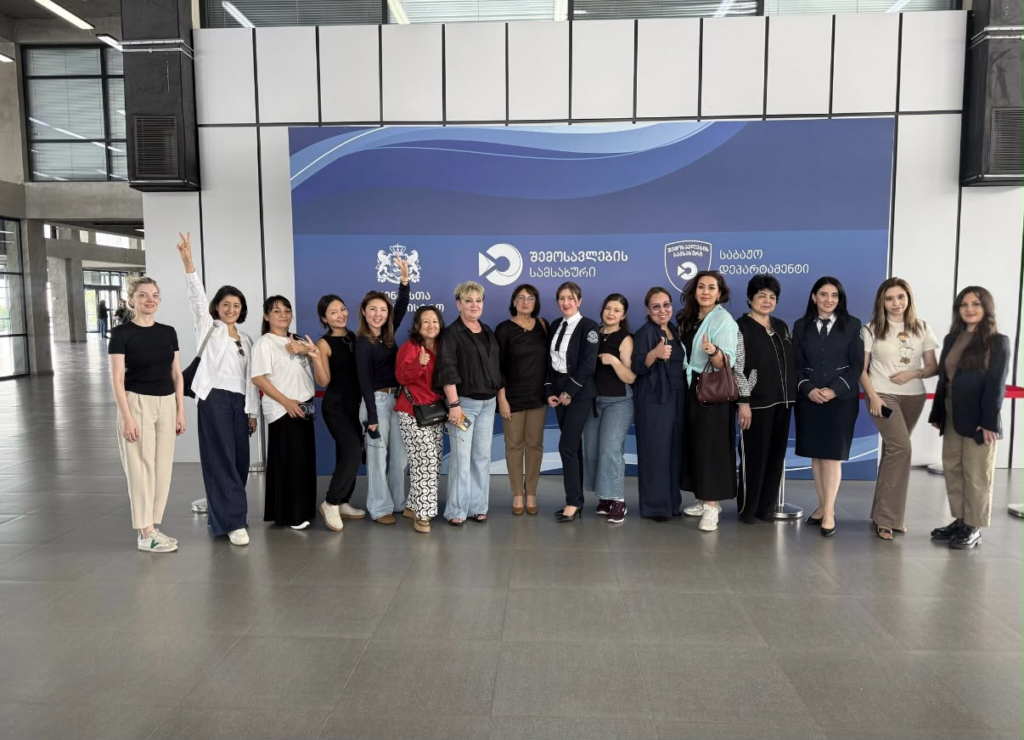
BSEC-URTA took part in the Women in TLP Regional Business Mission to Georgia, highlighting the importance of women’s leadership, efficient border and customs procedures, port connectivity and stronger regional cooperation along the Middle Corridor.
Representing the BSEC-URTA International Secretariat, Ms. Sadiye Nuhoglu participated in the programme, which brought together stakeholders from the transport, customs and trade facilitation sectors to discuss new opportunities for cooperation and connectivity.
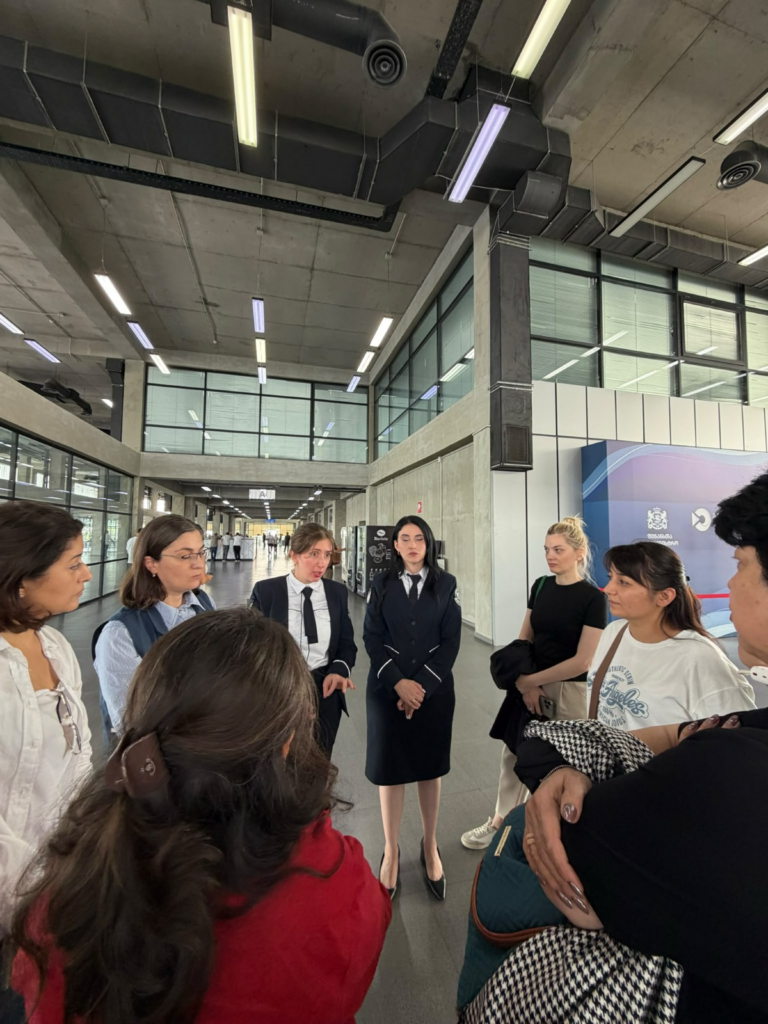
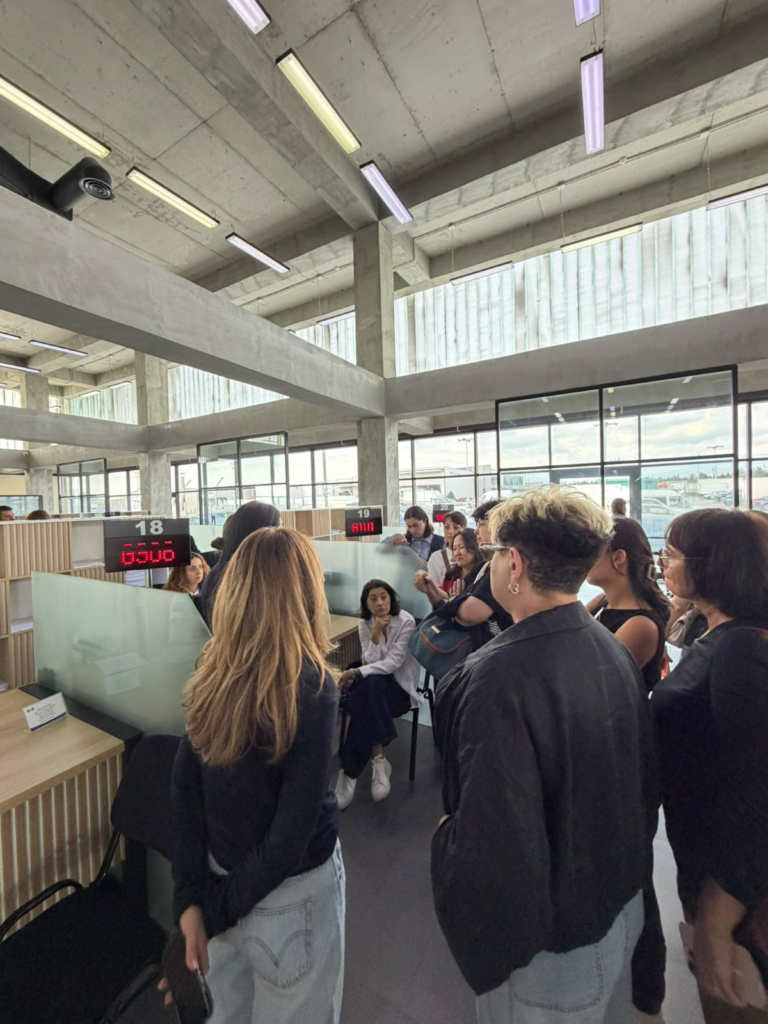
As part of the programme, participants visited the Customs Clearance Zone (CCZ) Tbilisi, where customs clearance and operational processes were observed on the ground, including document and data procedures, vehicle and cargo controls, and the overall flow of customs operations. The visit highlighted the importance of efficient, digitalised and well-coordinated customs and border-crossing procedures in reducing delays, improving predictability and strengthening the competitiveness of the Middle Corridor.
On the next day, a working session on “The Development of the Middle Corridor, Port Connectivity and New Opportunities for International Cooperation” brought together representatives from customs, the Port of Poti and international expertise in customs administration and trade facilitation.
Discussions focused on accelerating customs and border-crossing procedures, strengthening port connectivity, improving coordination among stakeholders and developing practical avenues for international cooperation along the corridor.
BSEC-URTA extends its sincere appreciation to the Women in TLP Central Asia & Caucasus and Georgian International Road Carriers Association (GIRCA) for its warm hospitality, close cooperation and valuable efforts in the organisation and successful implementation of the programme.
BSEC-URTA looks forward to further strengthening these partnerships and contributing to more efficient, connected and inclusive regional transport networks.